Generation against load
Inverter output, building consumption and grid import appear on one timeline in the same units.
Inverters, sub-meters and the incoming supply all speak Modbus or MQTT with different register layouts. IoTServa normalizes them so energy balances can be read, not rebuilt.
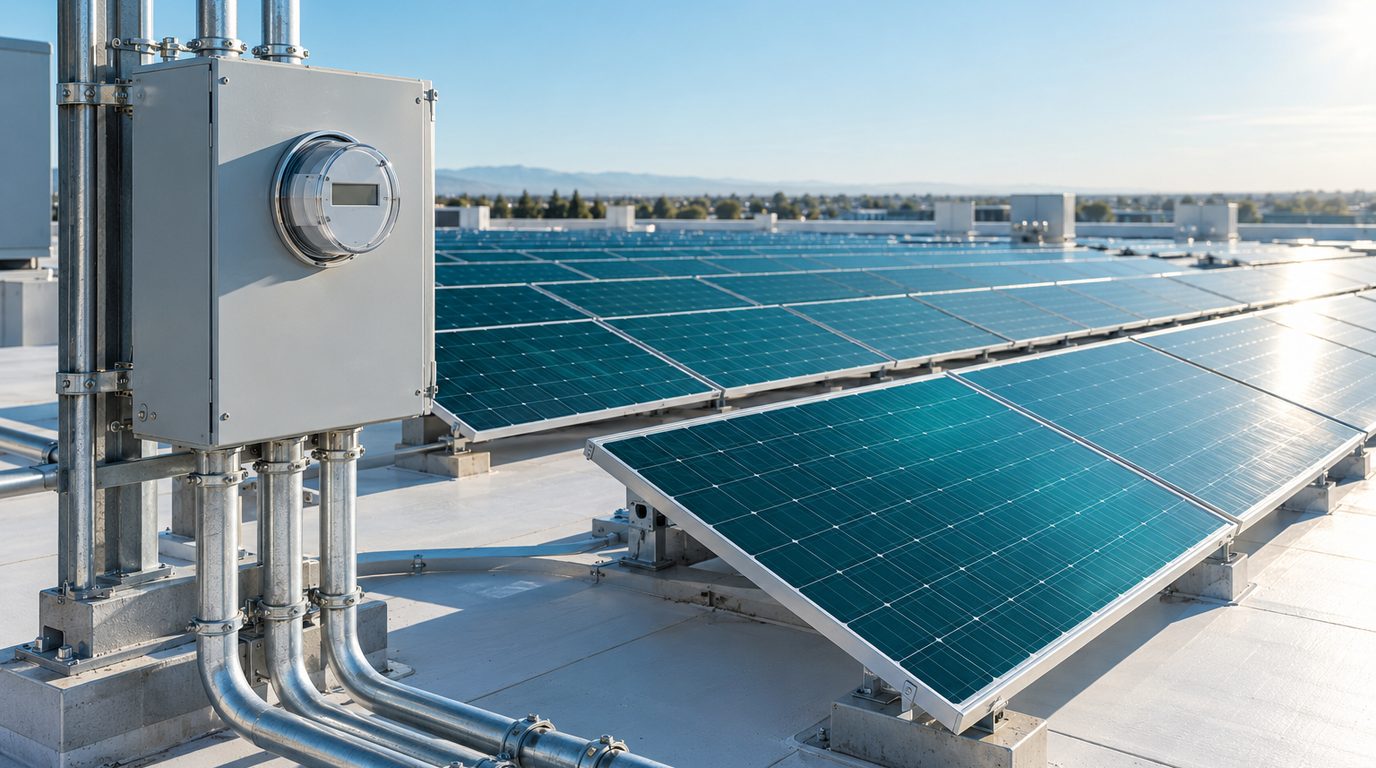
Solar output, building load and grid import are measured by different devices with different units and timestamps. Reconciling them by hand each month hides losses and faults between the meters.
Inverter output, building consumption and grid import appear on one timeline in the same units.
An inverter reading low against its neighbours shows up in the data before the monthly report.
Tenant and department consumption is attributed from the same history that drives dashboards.
Interval data leaves as CSV or through the API for billing and sustainability reports.
Each one is read natively and joins the same tag model.
Start with the main incomer, the inverters and two sub-meters. Add irradiance if you want to compare output against expectation.
IoTServa records what the meters report. Billing-grade accuracy depends on the meters and your tariff process, not on the platform.
Yes, through one device profile per model. Brands that expose Modbus or MQTT can share the same tag names.
Tell us which protocols are on site. We will scope a pilot that reads your real devices.